Energy Efficiency
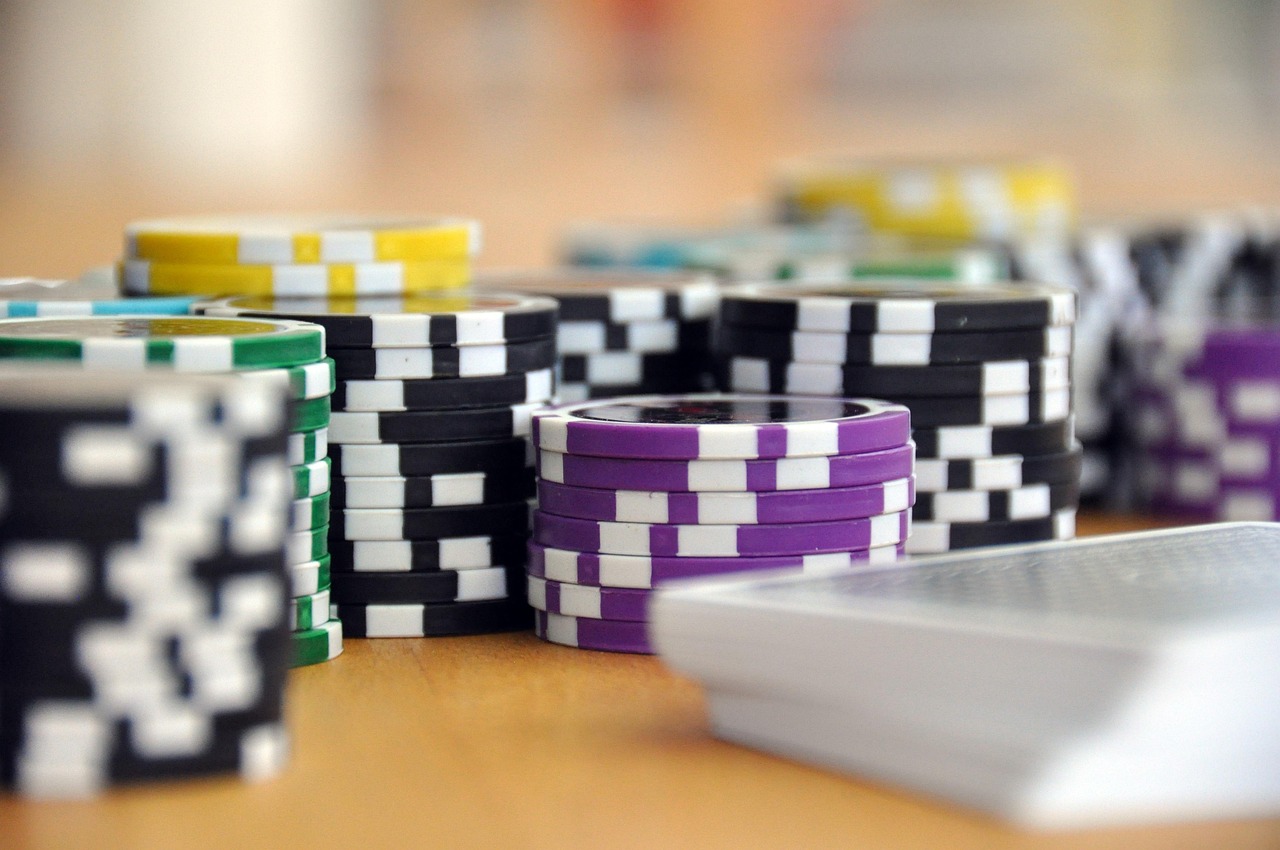
Walk into any iGaming forum at 2 a.m. and you'll see the same two kinds of people. One is up three buy-ins at a poker table, calmly stacking chips and deciding whether to call it a night. The other just chased a 97% RTP slot through a $400 downswing and is typing "rigged" into the chat box. Same hobby, same software, wildly different outcomes. The gap between those two players isn't luck. It's a handful of habits, concepts and expectations that most people never bother to learn before they hit "Deposit."
This piece is for anyone who wants to be the first person. Let's talk about what actually moves the needle across slots, casino games, sports betting and poker.
Every game in a casino is built on a mathematical margin, and that margin is the single most important number you'll ever look up. It's not the theme, the graphics or the jackpot ticker. It's the edge.
Here's the practical takeaway: playing blackjack with basic strategy at a $10 table costs you about five cents per hand in expected value. Playing a 92% RTP slot at $2 a spin costs you around 16 cents per spin. Over 500 spins, that's $80 versus $5. Same bankroll, wildly different erosion. Pick your battles.
Return to Player (RTP) tells you what percentage of all wagered money a game pays back over millions of spins. A 96% RTP slot returns $96 for every $100 wagered in the long run. Volatility tells you how that return is delivered.
A low volatility slot like a classic 3-reel fruit machine pays small amounts frequently. A high volatility slot like Book of Dead or Money Train can go 300 spins without a meaningful win, then hit a 2,000x multiplier in one bonus round. Neither is better. They demand different bankrolls and different temperaments. For practical tips, check out slot deposit 5000.
If you sit down at a high-volatility slot with 50 spins' worth of bankroll, you're not unlucky when you bust. You're mathematically expected to bust. The players who survive those sessions either bring 200+ spins of ammo or move to lower-volatility games. That's not a hack. That's just reading the label before you press play.
Slot players fight a fixed edge. Poker players fight each other, and the house just takes a small rake. That difference changes everything.
In a $1/$2 no-limit hold'em cash game, a solid player can realistically win 5 to 10 big blinds per hour over the long run. That's $10 to $20 an hour after rake. Not glamorous, but it's a positive expectation, which is more than any slot will ever offer you.
The catch is that poker rewards discipline in ways other games don't:
The trap is ego. Poker is the one iGaming vertical where you can be genuinely good and still lose for 20,000 hands. If you can't stomach that, slots or sports betting might actually suit you better.
Most recreational bettors lose for one boring reason: they take the first price they see. If the Chiefs are -3 at one book and -2.5 at another, that half point is worth real money over hundreds of bets.
Serious bettors treat sportsbooks like airlines and compare prices. A few habits that separate them from the crowd:
Welcome bonuses are marketing, not free money. A "100% up to $500" offer with a 40x wagering requirement and a 30-day expiry means you need to wager $20,000 before withdrawing a cent. Slot contributions often count at 100%, but table games might count at 10% or less, which stretches the requirement to $200,000 of blackjack action.
Before claiming any bonus, ask three questions:
Free spins offers are usually cleaner, but check the per-spin value. "100 free spins" sounds great until you realize each spin is worth $0.01 and the max win is $50. Also check whether winnings cap at 50x or 100x of the spin value, and whether the spins expire in 24 hours or a week. Time limits are where most casual players get caught out.
Nobody beats the house at slots. Nobody beats the closing line every week. The iGaming world isn't a puzzle you solve once and then print money. It's a series of small edges, small leaks and small decisions that compound over months and years.
The players who last are the ones who treat this like a hobby with a budget, not a paycheck with a deadline. They know the house edge on everything they play, they set a loss limit before they log in, and they walk away when they hit it. Meanwhile, poker players who study, track results and manage bankrolls can genuinely grind out a profit, and sports bettors who shop lines and specialize can do the same.
The uncomfortable truth is that most losses in iGaming come from ignorance, not bad luck. Learn the math, respect the variance and stop chasing. That's the entire secret. Everything else is decoration.
